

One Step Forward, Two Steps Back
AI-driven transformation and the complex journey toward equality.

Listen to this post
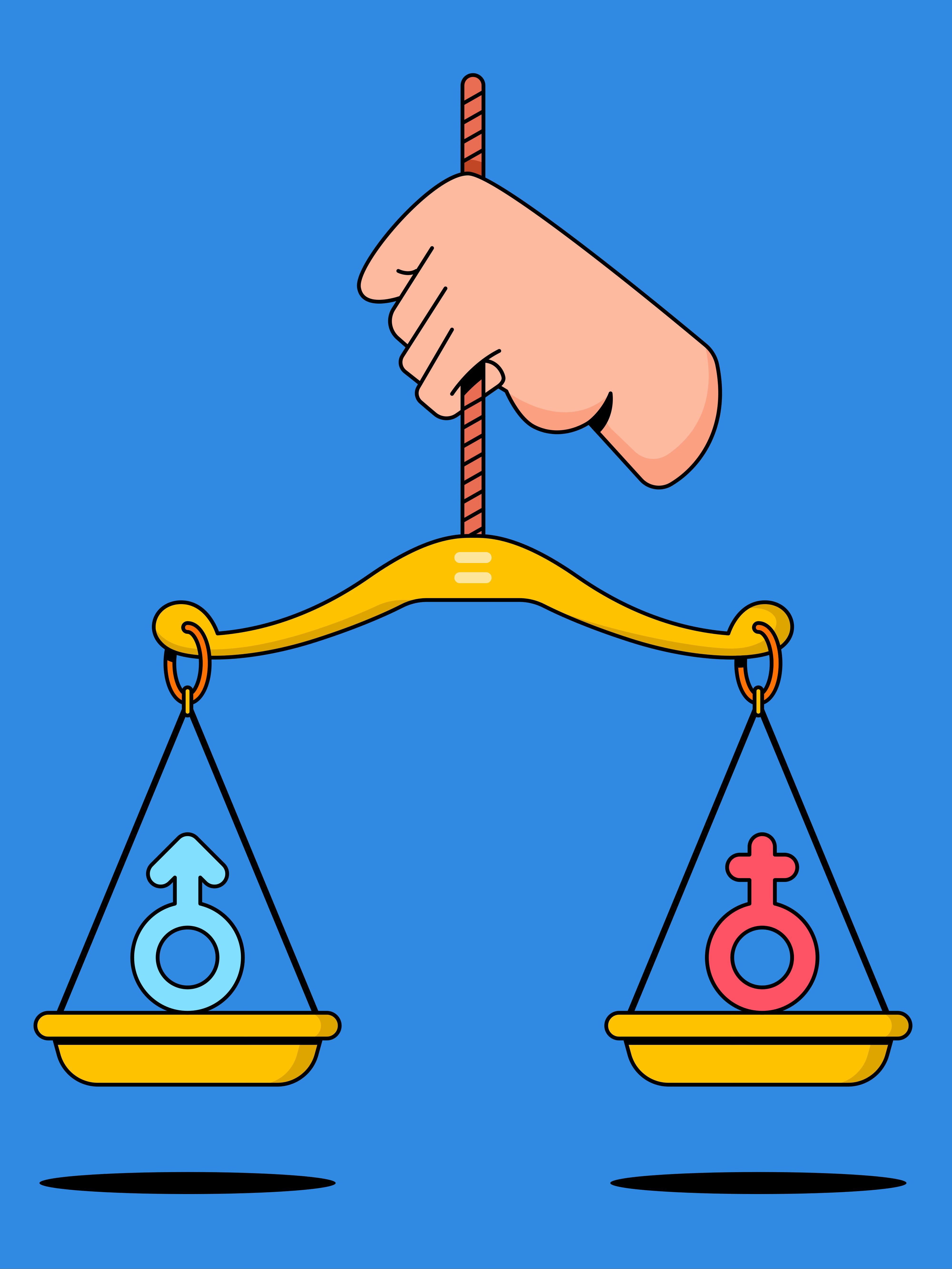
In 2022 the United Nations announced that the world was not on track to achieve gender equality by 2030.
In the same year the World Economic Forum said it could take up to 132 years to close the overall global gender gap.
One of the reasons for concern is the potential for AI bias, given the limited involvement of women in technology development and the existing gender biases in AI tools.
In 2024 researchers set out to explore how popular AI tools, like ChatGPT, CoPilot, and Gemini, may impact the career and education decisions of young people.
They expected that AI-generated content would reflect the existing, culturally supported biases for boys and girls.
In searches for content about a career as a chef, the results did, indeed, reveal the predominance of men in top restaurant positions.
However, the AI also suggested that girls may be both suitable for and prevalent in careers dominated by males. For example, biologist, scientist, astrophysicist, doctor, historian, lawyer, and therapist.
This prompted the researchers to conclude that in the absence of a common understanding of what constitutes a biased perspective, a comprehensive research instrument was needed to study gender bias.
While that is true, the findings overwhelmingly support global concerns about historical and cultural prejudices embedded in the datasets used to train algorithms. And that identifying and addressing these biases is essential to ensure that AI promotes, rather than hinders, gender equity.
The article can be downloaded or requested through your library using this citation: Guedes, Maria João, Ricardo Rodrigues, and Dinis Macedo. 2025. AI and gender equality: One step forward or two steps back? International Conference on Gender Research 8, (1) (04): 141-149, https://www.proquest.com/conference-papers-proceedings/ai-gender-equality-one-step-forward-two-steps/docview/3213596963/se-2.
D.L. Lee is the author of SISTERLY LOVE, a novel about two sisters who grow apart.
You may also like:


Couldn't agree more. Your insights into AI bias and gender equity are so tru. It's wild how algorithms reflect our world's prejudices, even while showing glimmers of progress. As a teacher, I see how important it is to address these biases early on. Excellent piece, thanks for shedding light on this crucial topic!