
Cesarean-Sections and Birth Trauma
A disturbing analysis of obstetric racism in the United States.

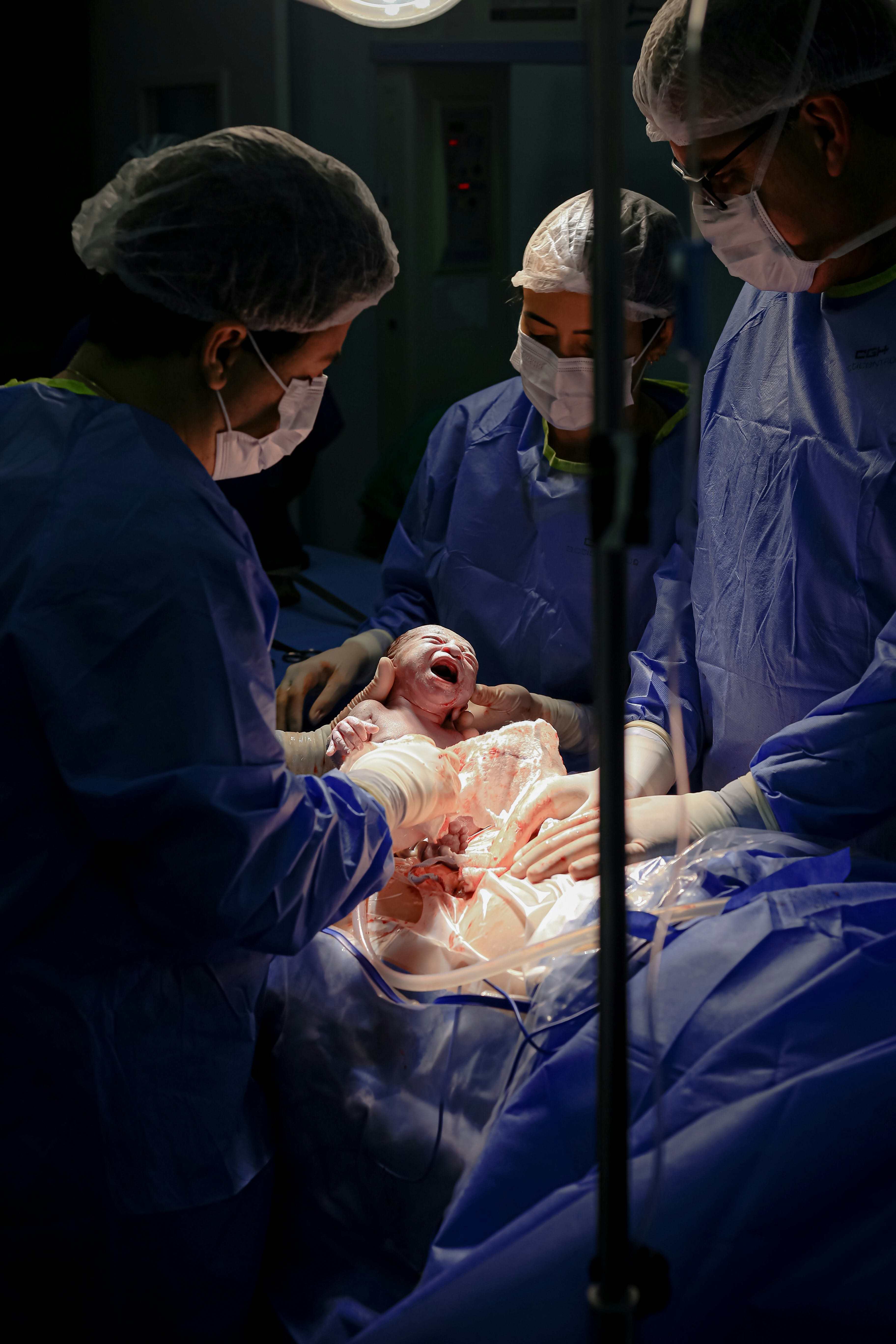
Cesarean-sections (a surgical procedure to remove the baby from the women’s uterus via abdominal incision), are steadily increasing in U.S. hospitals, regardless of high-risk prenatal status.
In 2022, C-section deliveries were the designated birth type in most U.S. hospitals.
Currently, the national average C-section rate is 31.7%. At 35.9%, the rates of C-sections among Black women are higher than White women (30.7%); American Indian and Alaska Native women (28.9%); and Asian women (32.7%).
Though Black women only account for only 15% of C-section deliveries, they are also three to four times more likely to die from preventable pregnancy-related complications.
To better understand the persistence of reproductive inequities, researchers examined the perceptions Black women hold around C-sections.
They found that regardless of the risk in the pregnancy, respondents in the study described experiencing adversity, discrimination, and trauma during encounters with their clinical teams.
“Even in cases of emergency or unplanned C-sections, when the rationale given for the C-section was to save both the mother and fetus, our results showed Black women still experienced racial discrimination, stigmatization, stereotypes, and biases at clinical encounters,” write the researchers in the journal Women’s Health.
The study, which explored the lived experiences of the participants, identified a number of themes causing the researchers to coin the term Racial Birth Trauma.
For example, participants described how the birth trauma experiences they had been exposed to within their families and social networks acted as a psychological trigger during their own birth encounters.
With my cousin, they were about to cut on her. But me and her [we] held hands and prayed so hard in that room and then the baby came that night, without them having to cut on her. They were getting ready to cut on [her], talking about “we have to get the baby out of you [because] the baby is in stress” and her baby was not [in stress]. The baby came right on out, without the cutting.
Other participants described the systemic barriers to accessing preferred birth options due to insurance limitations.
So, a lot of these OBs I felt had different intentions, so when I would ask about VBAC’ing [vaginal birth after c-section] and they didn’t support it, I would [not] just stop there. And then . . . So, it was hard to find an OB through the normal channels, like a providers list. Like the Blue Cross Blue Shield, in network people, and just going through the major hospitals and who are their providers. No one there supported a VBAC.
The study also identified a theme around autonomous decision-making and trust which emerged when participants discussed control over their own bodies.
After my birth, I wondered, how do I get back to a place where I can make decisions about my own body. I felt like I had to depend on others to make decisions about my own body.
“Few studies show how the structure of reproductive medicine inflicts trauma on Black bodies,” write the researchers in their conclusion.
“Failing to examine these lived experiences may overlook the connections to maternal morbidity/mortality, infant morbidity, and ongoing health complications, such as postpartum traumatic health occurrences that occur from race, and medical and obstetric racism.”
The article can be downloaded here or requested through your school or library using this citation: Thomas SP, Iyiewuare P, Ranson T, Goldenberg L, Brown KK. Cesarean Sections and Racial Birth Trauma: A Qualitative Analysis for Obstetric Racism among Black Women in the United States. Women’s Health. 2026;22. doi:10.1177/17455057251409927
D.L. Lee is the author of SISTERLY LOVE, a novel about two sisters who grow apart.
You may also like:
Thriving Not Surviving. The layered, often invisible challenges Black women navigate in higher education leadership.
How Social Tropes Entrap Black Girls. A study shows how adolescence exposes Black girls to greater levels of harm, surveillance, and control.
Religion, Politics and Women. How religion as a tool of the state significantly and negatively impacts women’s lives.